Teaching ethos

The Patient Frame

Welfare first, photograph second

Kexumisafari is an independent teaching guide for photographers who want to improve their wildlife work in Africa without adding pressure on the animals they photograph. We start every lesson from the same premise: the right working distance is set by the animal's behaviour and the park's rules, and photographic skill is what you do inside that distance.

We write for improving photographers — people who already know their camera's basic controls and want concrete decisions: which focal length, which shutter speed, which support, which moment. We explain the reasoning so you can adapt it to your own kit and the reserves you visit.

We accept no payment from manufacturers, lodges or tour operators, and we do not publish affiliate links. Equipment named in our lessons is used as a reference point for size, weight or capability, not as a recommendation to buy.
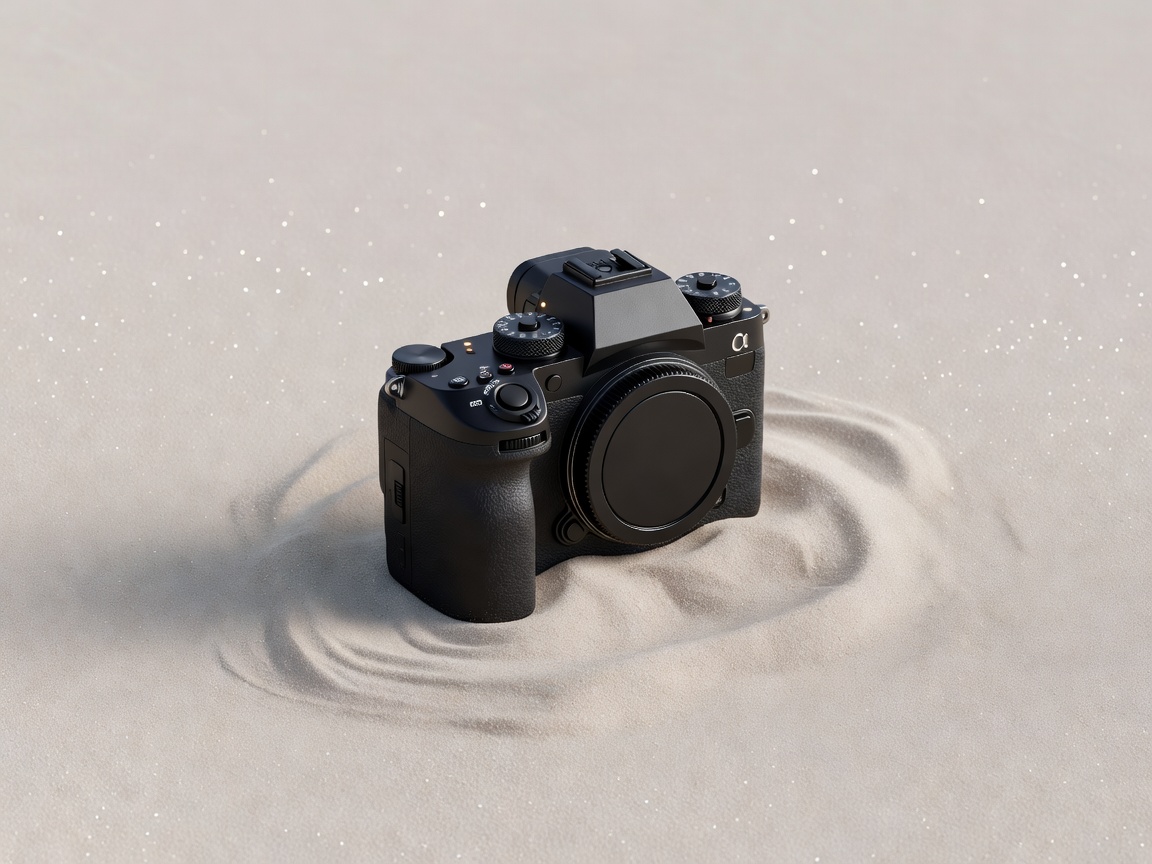
Soft-lit 3D render of a mirrorless camera body with labelled control dials and buttons on a plain sand background
Simulated render used in our lessons to show control placement. Our diagrams are illustrations, never presented as wildlife results.

Contributors

Portrait of contributor Amara, field instructor, smiling outdoors

Amara N.

Field instructor · behaviour and ethics

Amara writes our behaviour lessons, drawing on years of guiding guests in East African reserves and an insistence that the animal's next move matters more than the next frame.

Portrait of contributor Tom, technical editor, in a canvas field shirt

Tom W.

Technical editor · lenses and exposure

Tom checks every number in our lessons, from field-of-view calculations to shutter-speed starting points, and builds the 3D renders that illustrate camera controls.

How we write

  • Each lesson includes at least one worked example with numbers.
  • Each lesson includes an ethical stop point.
  • Diagrams are labelled as simulations.
  • Corrections are welcome and logged when we update a page.

Choose a Field Skill